Mango |
Soil
| Sowing
| Transplanting
|Production
| Variety
|

The king of fruits, Mango is the most important fruit of our country. Its full fledged farming is done in Uttar Pradesh, Bihar, Andhra Pradesh, Tamil Nadu, Orissa, Maharashtra and Gujarat.
|
| |
Soil
|
| |
For Mango, soils which absorb good amount of water are considered best.
Mango is successfully produced in hot climate. It can tolerate temperatures as high as 45 degree centigrade. Rain and clouds are harmful in the flowering stage. It can be produced successfully in the whole country.
|
| |
Sowing
|
| |
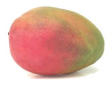
For planting Mango digging of 1 X 1 X 1 m holes at the distance of 8 m - 12 m is done. These holes are filled with the mixture of 1/2 portion of soil and 1/2 portion of decomposed manure in the end of June.
|
| [ Top ] |
Transplanting
|
| |
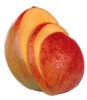
Mango is mainly transplanted through grafting. Vivier grafting method is proven to be good. It is easy and cheaper, therefore it is recommended to use vivier grafting method.
1. Bheint Grafting
2. Vivier Grafting
|
| [ Top ] |
Production
|
| |

The collection of fruits starts from the beginning of June. Malika ripes till the third week of July. Amarpali (in which every year fruits grows) in farms 2.5 m X 2.5 m or 1,600 plants/hectare at the age of 10 years give 22 tons/hectare fruits, 3-4 times more than Dusheri.
|
| [ Top ] |
Variety
|
| |
Selection of varieties depends mainly on the following factors:
- Method Of Sowing
- Pest and Disease
- Irrigration Facilities
- Climatic Conditions
|
| For more Information register yourself at Agroecommerce.com |
| |