Safflower |
Climatic Requirements
| Season
| Soil
|Variety
|
| |

According to De Candolle, probably safflower is a native of Arabia. In India it occupies 701 thousand hectare with a production of 186 tons. India ranks first in terms of acreage, accounting for about 50 percent of the globe total.
|
| |
Climatic Requirements
|
| |
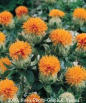
Safflower is considered a cool season crop; the optimum temperature for germination is about 15.5 degree centigrade. Seedlings are tolerant to low temperature. High temperature at the time of flowering are harmful to the crop. Day temperature in the range of 24-32 degree centigrade at flowering is the best. When the flower buds are being formed temperature below 0 degre centigrade may cause considerable damage in the form of sterile heads.
|
| [ Top ] |
Season
|
| |
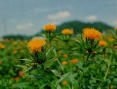 The crop is grown during Rabi season as rainfed crop, but in some area it is raised under irrigation.
|
| [ Top ] |
Soil
|
| |
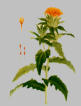 Being drought resistant, it is cultivated on all types of soil, including the sandy soils but the crop is best suited to deep, well drained fertile soil with high water holding capacity and neutral pH.
|
| [ Top ] |
Variety
|
| |
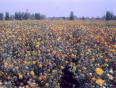 For increasing the productivity of Safflower crop, the improved varieties which are capable of giving high yields should be cultivated. Selection of varieties depends mainly on the following factors:
- Method Of Sowing
- Crop Rotation
- Pest and Disease
- Irrigration Facilities
- Climatic Conditions
|
| For more Information register yourself at Agroecommerce.com |
| |