Berseem |
Climatic Requirements
| Soil
|Variety
|
| |
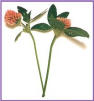
Berseem is an important winter forage. It is quite nutritive and succulent. It has 20% crude protein and 70% dry matter digestibility. Forage is also rich in calcium and phosphorus. Berseem cultivation changes chemical characters of soil. The major change is seen in the quantity of total nitrogen, organic carbon and available phosphorus. The constituents generally, are found to be increased by growing berseem. Cultivation of berseem also improves physical conditions of the soil.
|
Climatic Requirements
|
| |

Berseem requires dry and cool climate for its normal growth. It needs mild temperature for germination and establishment. The crop is not sown unless average daily temperature reaches 13-15.5 degree centigrade. Temperature above this will hamper the germination. The crop growth is very fast at 18-21 degree centigrade. Its growth is checked during very cold or frostly periods.
|
| [ Top ] |
Soil
|
| |
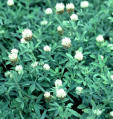
Berseem can be grown on all types of soils except very light sandy soils. The crop grows best on well drained, medium loam soils, rich in phosphorus and calcium. The crop can be grown successfully on the alkaline soils having good water retention capacity. However, it does not do well on acid soils.
|
| [ Top ] |
Variety
|
| |
Berseem varieties have two groups:
(1) diploid
(2) tetraploid
In the diploid group most promising varieties are BL-1, Miscavi and Khadaravi, Chhindwara, IGFRI-99-1, whereas promising tetraploid varieties are Pussa, Giant, and T-378. Seed of tetraploid varieties is required to be produced every year by the breeder by proper treatment, because there is a tendency in tetraploid to become diploid in successive generations. Selection of varieties depends mainly on the following factors:
- Method Of Sowing
- Crop Rotation
- Pest and Disease
- Irrigration Facilities
- Climatic Conditions
|
| For more Information register yourself at Agroecommerce.com |
| |